Modern AI: Trends, Challenges, and Opportunities
Modern AI: Trends, Challenges, and Opportunities
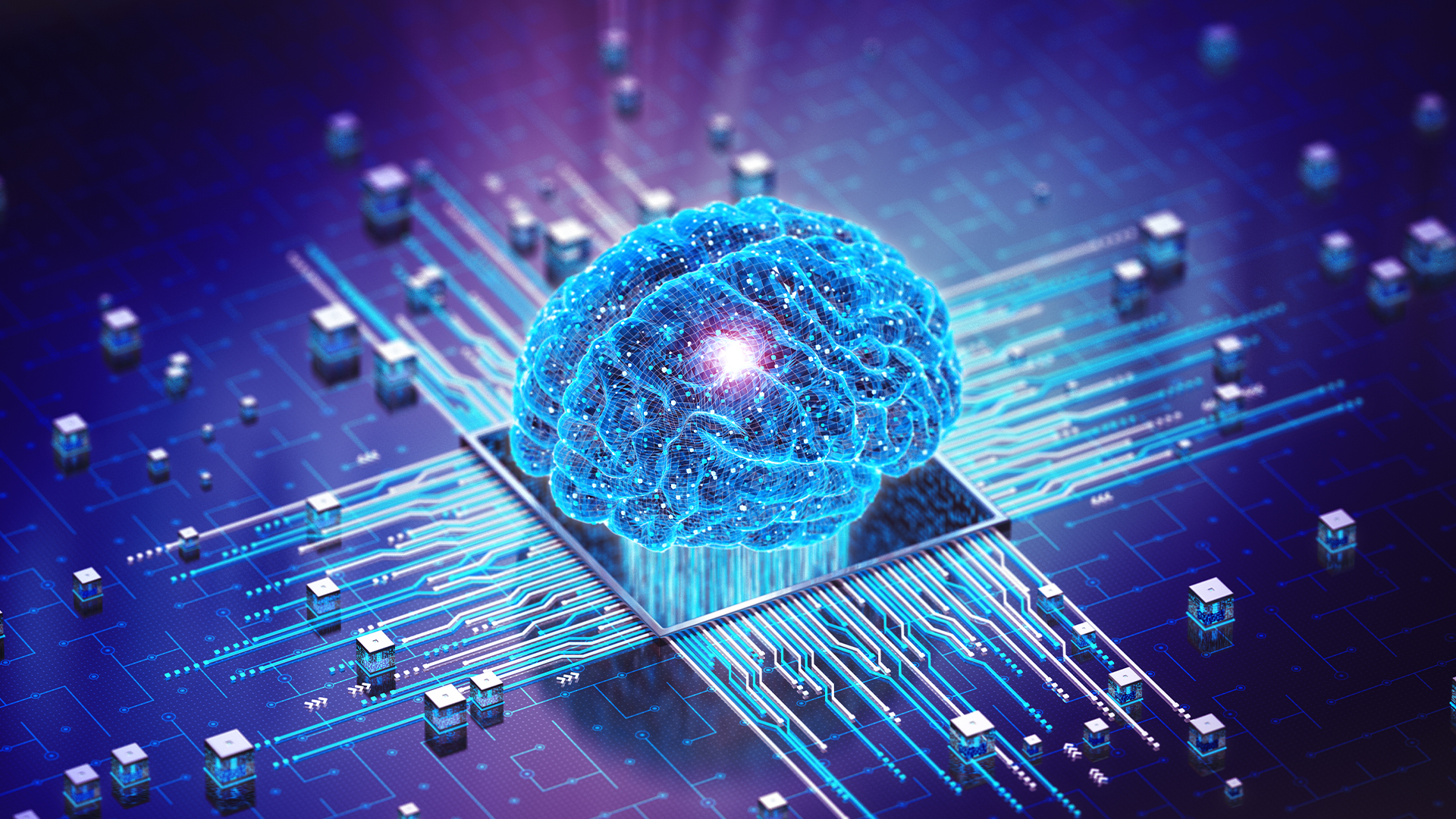
Artificial Intelligence (AI) has rapidly evolved over the past decade, transforming industries, shaping daily life, and opening new frontiers for innovation.
Today, AI is no longer confined to research labs—it powers healthcare, finance, education, entertainment, and even the tools we use every day.
Key Trends in Modern AI
Generative AI
Large language models and image generators are reshaping creativity.
From writing articles to producing designs, AI now amplifies human imagination and accelerates content creation.
AI in Automation
Intelligent automation is streamlining workflows, reducing costs, and freeing employees to focus on higher-value work.
From customer support to logistics, AI is driving measurable efficiency gains.
Edge AI
AI at the edge—on smartphones, drones, and IoT devices—improves performance and enhances privacy.
By processing data closer to the source, it enables faster decisions and real-time responsiveness.
Ethics and Explainability
As adoption grows, trust becomes essential.
Explainable AI ensures that decisions are transparent, accountable, and aligned with human values.
Challenges Facing AI
Data Privacy and Security
The reliance on large-scale data raises ongoing concerns around collection, storage, and misuse.
Bias and Fairness
Models can unintentionally reflect human or societal biases, reinforcing inequalities.
Regulation and Compliance
Legal frameworks are evolving slowly, creating uncertainty for businesses deploying AI.
Skills Gap
Expertise in AI development and operations is in short supply, making adoption harder for many organizations.
Opportunities on the Horizon
Healthcare Innovations
Early diagnostics, personalized treatment, and AI-driven drug discovery.
Business Transformation
Predictive analytics, customer insights, and smarter operations powered by AI.
Sustainability and Green AI
Optimized energy usage, environmental monitoring, and intelligent city planning.
Education and Learning
Adaptive learning systems that personalize content to each student's needs.
Conclusion
Modern AI presents extraordinary opportunities to amplify human capabilities, solve complex problems, and drive innovation across every sector.
At the same time, it comes with challenges—ethical use, transparency, and regulation—that will define how society benefits from these technologies.
By staying informed, addressing risks proactively, and leveraging AI responsibly, we can shape a future that is not only smarter, but also fairer and more sustainable.